

Common Materials Used by Car Filter Suppliers
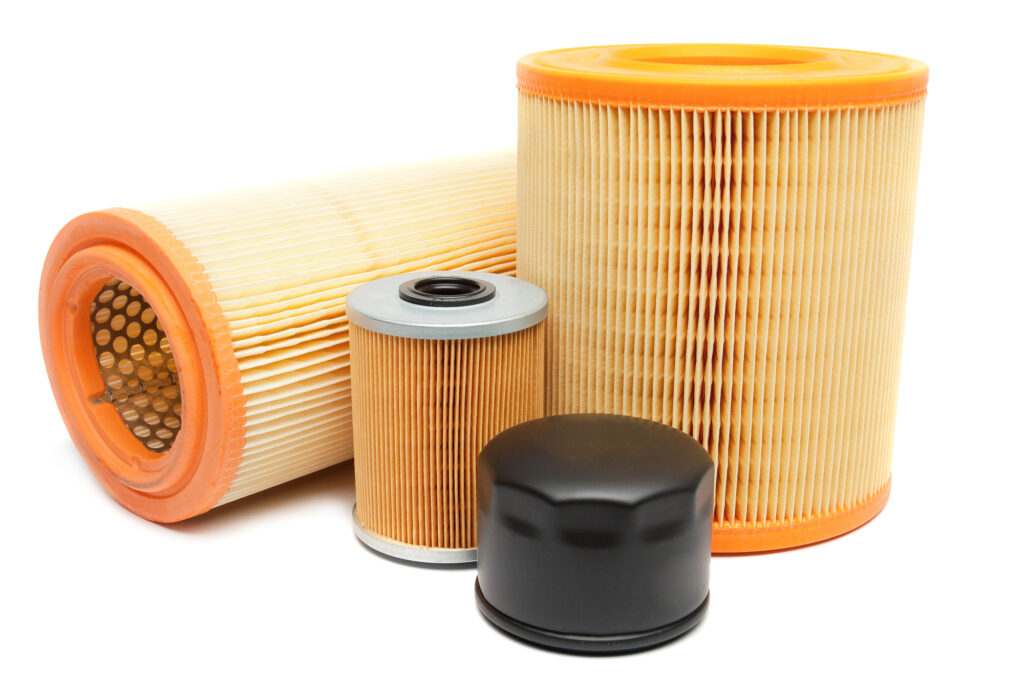
Car filters are essential components in modern vehicles, protecting engines, fuel systems, and cabins from harmful contaminants. These filters rely heavily on the materials used in their construction to provide efficient filtration, durability, and compatibility with various automotive systems. From air and oil filters to fuel and cabin air filters, the choice of material directly impacts a filter’s performance and longevity. Understanding the common materials used by car filter suppliers can help vehicle owners and mechanics make informed decisions when selecting replacement filters.
Car filter suppliers carefully select materials based on their filtration efficiency, strength, and resistance to heat, chemicals, and moisture. High-quality filters require materials that can withstand the harsh conditions within an engine or HVAC system while maintaining consistent performance over time. A reliable Car Filter Supplier provides products that combine advanced materials with precise manufacturing techniques to ensure optimal filtration and durability across a wide range of vehicle types.
Paper and Cellulose-Based Media
Paper and cellulose are among the most commonly used materials in car filters, particularly in air, oil, and fuel filters. These materials are cost-effective, lightweight, and capable of capturing a wide range of particle sizes. Pleated paper increases the surface area, enhancing the filter’s ability to trap dust, dirt, and other contaminants.
In oil and fuel filters, cellulose media are often combined with synthetic fibers to improve durability and extend service intervals. While paper filters are generally suitable for standard driving conditions, they may degrade more quickly under extreme temperatures or heavy-duty use. Many suppliers now treat cellulose media with resins to improve their structural integrity and resistance to moisture.
Synthetic Fibers
Synthetic fibers, such as polyester, polypropylene, or fiberglass, are widely used in high-performance and long-lasting filters. These materials offer superior filtration efficiency, durability, and resistance to heat and chemical degradation compared to traditional cellulose filters.
Synthetic media are common in air filters for modern engines and turbocharged systems, as they can handle higher airflow requirements while capturing smaller particles. Oil filters also benefit from synthetic fiber blends, which can trap finer contaminants and maintain flow rates even under high-pressure conditions. Filters made with synthetic fibers often provide longer service intervals and improved protection for advanced engines.
Foam Materials
Foam is another versatile material used by car filter suppliers, especially in air filters for motorcycles, off-road vehicles, and performance cars. Foam filters can be oiled to enhance particle capture and are highly durable under harsh conditions. They are flexible, washable, and reusable, making them a popular choice for applications where frequent replacement would be impractical.
Foam filters offer excellent airflow while still capturing larger particles effectively. However, they may require regular maintenance and proper oiling to maintain filtration efficiency, as neglect can reduce their performance over time.
Activated Carbon
Activated carbon is commonly used in cabin air filters and specialized fuel or emission filters. This material has a porous structure that absorbs odors, gases, and chemical pollutants in addition to trapping particulate matter.
In cabin air filters, activated carbon enhances interior air quality by removing smoke, exhaust fumes, and volatile organic compounds. Some high-end fuel filters also incorporate activated carbon layers to neutralize harmful compounds in fuel systems. Suppliers often combine activated carbon with cellulose or synthetic media to create multi-layered filters that provide both particulate filtration and chemical absorption.
Metal Mesh and Screen Materials
Metal mesh, stainless steel, or other fine screens are often used in reusable oil and air filters, providing structural support and allowing for easy cleaning. These materials are resistant to high temperatures and can be engineered to precise specifications for flow and filtration.
Reusable filters with metal mesh are popular in performance and industrial applications, as they can be cleaned and reused multiple times without compromising filtration quality. They are often combined with synthetic or foam media to maximize contaminant capture while maintaining durability.
Rubber and Seal Materials
Although not directly responsible for filtration, rubber and other sealing materials are critical in filter construction. They ensure a tight fit between the filter and its housing, preventing unfiltered air, fuel, or oil from bypassing the media. High-quality car filter suppliers use durable, heat-resistant rubber gaskets and seals to maintain a proper seal under varying temperatures and pressures.
Conclusion
The materials used in car filters play a fundamental role in ensuring vehicle protection, performance, and longevity. From cellulose and synthetic fibers to foam, activated carbon, and metal mesh, each material offers unique advantages depending on the type of filter and its application. Reliable Car Filter Suppliers carefully select and combine these materials to produce filters that meet OEM standards and modern automotive demands. Understanding these materials allows vehicle owners and mechanics to choose filters that provide optimal efficiency, durability, and overall vehicle performance.