

Are Designer Radiators Practical for Everyday Heating
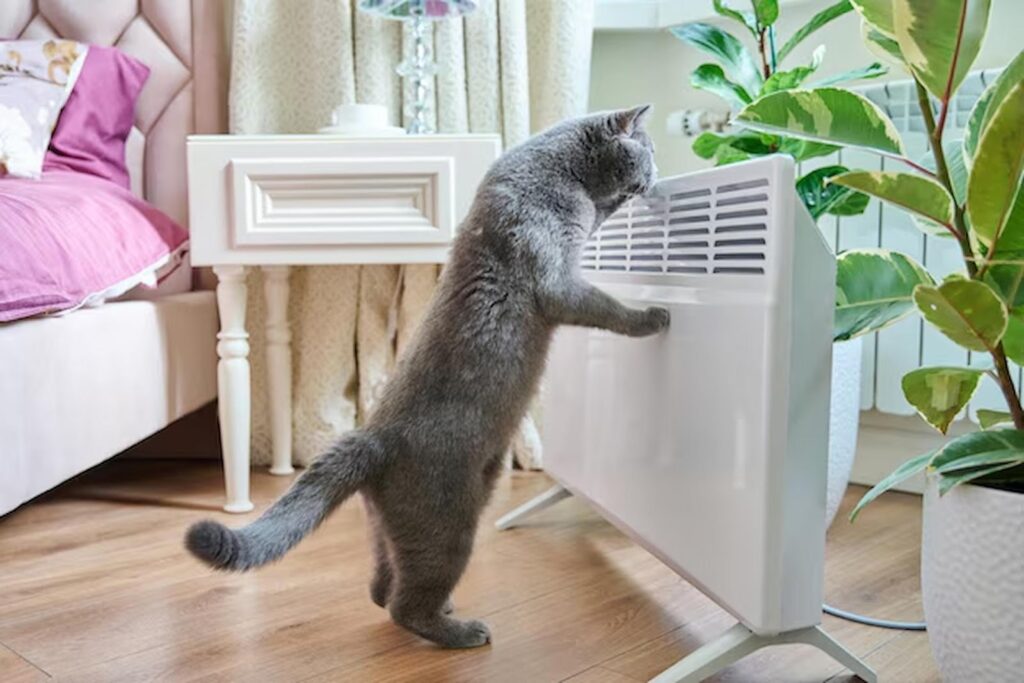
Designer radiators are crafted to stand out, turning a practical necessity into a striking design element. Yet style alone isn’t enough—heat output, energy efficiency, and long-term reliability matter just as much. Taking a closer look at how these statement pieces perform in real-world conditions helps determine whether they truly balance everyday heating demands with contemporary visual impact.
Designer radiators have moved from niche interiors into mainstream heating discussions. Once viewed as purely decorative, they are now recognised as credible heating solutions that balance form with function. Homeowners are increasingly drawn to sculptural profiles, vertical layouts, and finishes that sit comfortably within contemporary interiors. The practical consideration is whether this emphasis on design affects thermal performance in daily use. Across the sector, radiator development follows the same technical principles applied to established ranges from manufacturers like Stelrad Radiators, where heat output, flow efficiency, and compatibility with modern heating systems are resolved as part of the core design process. Approaching designer radiators from this performance-led perspective helps separate perception from reality and provides a clearer basis for assessing their suitability for everyday heating.
Heat Output and Efficiency Explained
At the core of radiator practicality lies heat output. Designer radiators are measured using the same BTU or watt ratings as traditional panel radiators, allowing direct comparison. Output depends on size, material, and surface area rather than shape alone.
What determines performance
- Panel depth and internal waterways
- Surface exposure to circulating air
- Water flow and temperature compatibility
When correctly sized for the room, designer radiators can meet standard heating loads. Efficiency is not inherently lower; however, poor specification can lead to underperformance. Selecting a model based on calculated heat loss remains essential, regardless of design.
Material Choices and Their Impact
Material selection plays a significant role in how a radiator behaves in daily operation. Designer models are commonly produced in steel, aluminium, or occasionally cast iron-inspired formats.
Thermal characteristics
- Steel: Balanced heat retention and steady output
- Aluminium: Rapid heat-up and responsive control
- Cast-style designs: Higher mass and longer heat release
Each material affects responsiveness and comfort differently. Aluminium suits spaces requiring quick temperature changes, while steel provides consistent warmth over longer periods. Practicality depends on aligning material behaviour with household heating patterns rather than choosing purely on appearance.
Installation and System Compatibility
Designer radiators are designed to integrate with modern central heating systems, including low-temperature setups paired with condensing boilers or heat pumps. Installation considerations are largely similar to conventional radiators, though layout choices may influence pipe routing.
Key installation factors
- Wall strength and fixing requirements
- Valve positioning and accessibility
- Compatibility with existing pipe centres
Most reputable designer models are engineered to standard specifications, ensuring they function reliably within typical domestic systems. Proper planning avoids efficiency losses and maintains system balance.
Vertical and Compact Designs in Daily Use
Vertical designer radiators are often chosen to save horizontal wall space. This configuration can be practical in rooms with limited layout flexibility, such as narrow walls or areas dominated by glazing.
Performance considerations
- Taller designs rely on vertical air circulation
- Output must be matched carefully to room size
- Placement affects convection efficiency
When correctly specified, vertical radiators deliver consistent heat. Their practicality lies in spatial efficiency rather than increased output, making them a strategic choice rather than a compromise.
Control, Responsiveness, and Comfort
Everyday heating comfort depends on how well radiators respond to thermostatic control. Designer radiators are compatible with thermostatic radiator valves and smart heating systems, enabling zoning and precise temperature management.
Why control matters
- Faster response improves energy efficiency
- Zoned heating reduces wasted output
- Consistent comfort enhances usability
Modern designer models perform comparably to standard radiators in controlled environments. The perceived difference often comes from sizing errors rather than design limitations.
Maintenance and Long-Term Reliability
Practical heating solutions must perform consistently over time. Designer radiators are manufactured using the same corrosion-resistant coatings and pressure standards as traditional products. Maintenance requirements remain minimal when systems are properly treated.
Longevity factors
- Internal coatings and build quality
- Compatibility with inhibitor-treated water
- Pressure and temperature tolerance
Quality assurance and compliance with industry standards ensure that designer radiators are not inherently less durable. Reliability depends more on manufacturing standards than on visual complexity.
Energy Efficiency and System Performance
Energy efficiency is influenced by how radiators interact with the wider heating system. Designer radiators operate effectively at lower flow temperatures when correctly sized, supporting modern efficiency targets.
Efficiency considerations
- Larger surface area supports low-temperature heating
- Proper sizing reduces boiler cycling
- Even heat distribution improves comfort
In this context, designer radiators can support efficient system operation rather than hinder it. Performance parity with traditional models is achievable with informed specification.
Balancing Aesthetics with Heating Demand
The practical value of designer radiators lies in balancing visual preference with technical requirements. Choosing design first and performance second risks dissatisfaction. Reputable manufacturers provide output data that allows informed decisions without sacrificing appearance.
Mid-article comparisons often reference Stelrad Radiators as an example of how engineered design can align with everyday heating expectations. The lesson is not brand-specific but principle-driven: appearance should complement, not replace, performance planning.
Cost, Value, and Everyday Practicality
Designer radiators often carry a higher upfront cost than standard panels. Practicality, however, should be measured over the lifespan of the product rather than initial expense.
Value considerations
- Long-term durability and finish quality
- Reduced need for additional wall features
- Comparable energy performance when specified correctly
Cost does not inherently reduce practicality. Instead, value depends on how well the radiator meets heating demand while contributing to interior coherence.
Conclusion
Designer radiators can be practical for everyday heating when chosen with performance in mind. Their effectiveness depends on correct sizing, suitable materials, and integration with the existing heating system rather than on appearance alone. Modern manufacturing standards ensure that well-specified designer models deliver reliable, efficient warmth comparable to traditional radiators. By prioritising heat output data, system compatibility, and control options, homeowners can achieve both functional heating and visual refinement. When sourced from established manufacturers such as Stelrad Radiators, designer radiators demonstrate that everyday comfort and contemporary design can coexist without compromise.