
Maintenance and Safety Tips for Operating a Press Machine
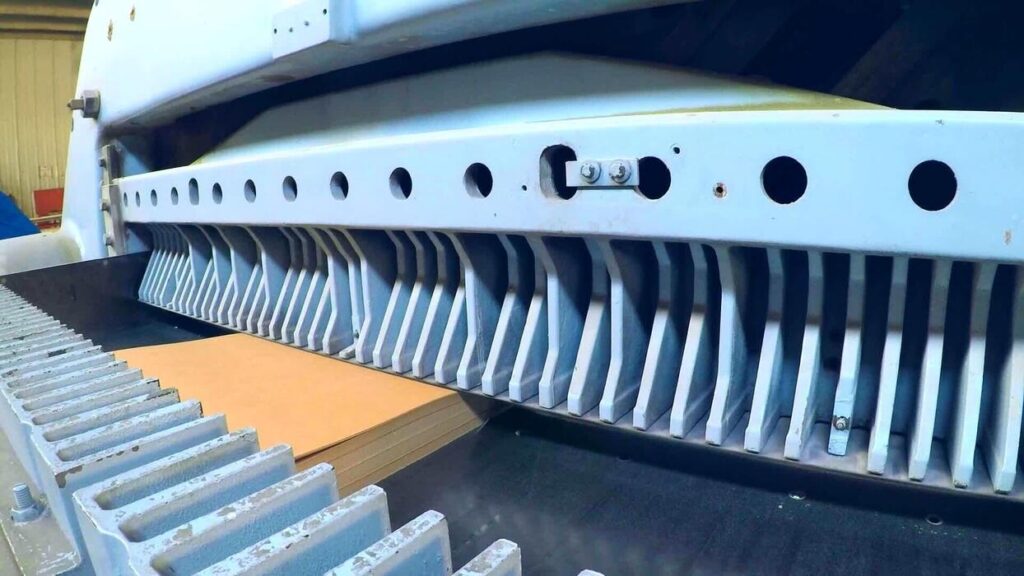
Operating a press machine efficiently requires not only skill but also a strong commitment to maintenance and safety. Press machines are essential tools in metal forming, stamping, and assembly operations, but their high-force operation and complex mechanisms pose potential risks if not handled correctly. Regular maintenance and adherence to safety protocols ensure that the machine runs reliably, maximizes productivity, and protects operators from accidents. This article outlines key maintenance and safety tips that every operator should follow to keep press machines functioning optimally.
Importance of Routine Maintenance
Routine maintenance is crucial for prolonging the life of a press machine and ensuring consistent performance. Machines that are not properly maintained are prone to breakdowns, reduced accuracy, and increased safety hazards. Maintenance involves inspecting mechanical components, lubricating moving parts, checking hydraulic or pneumatic systems, and replacing worn-out tools.
A comprehensive maintenance schedule should include daily, weekly, and monthly checks. Daily inspections focus on visual checks for leaks, unusual noises, or loose components. Weekly maintenance might involve more in-depth lubrication, alignment checks, and minor adjustments. Monthly or quarterly maintenance often includes thorough inspections of hydraulic systems, electrical components, and structural integrity. Collaborating with a reputable Press Machine supplier can provide guidance on recommended maintenance intervals and procedures tailored to your specific machine model.
Lubrication and Hydraulic System Care
Lubrication is vital to minimize wear and tear on moving parts such as the ram, slide, bearings, and guides. Using the correct type and amount of lubricant ensures smooth operation and reduces the risk of overheating or component failure. Over-lubrication can attract dust and debris, while under-lubrication can lead to increased friction and accelerated wear.
For hydraulic presses, maintaining the hydraulic system is equally important. Operators should regularly check fluid levels, filter conditions, and hoses for leaks or cracks. Contaminated hydraulic fluid can reduce system efficiency, damage components, and lead to uneven pressure application, affecting both product quality and machine reliability. Proper maintenance of the hydraulic system ensures consistent tonnage, stroke accuracy, and safe operation.
Inspection and Alignment
Regular inspection and alignment of key components are essential for maintaining precision and safety. Misaligned rams, slides, or dies can cause uneven force distribution, leading to defective parts and excessive stress on the machine. Operators should periodically measure alignment using appropriate tools and adjust components as necessary.
Checking bolts, screws, and fasteners is also important to prevent loosening due to vibration during operation. Tightening these elements ensures structural integrity and reduces the likelihood of accidents caused by component failure.
Safety Protocols and Protective Measures
Safety is a primary concern when operating a press machine. Operators must be trained to follow standard operating procedures and wear appropriate personal protective equipment (PPE), such as gloves, safety glasses, and steel-toed shoes.
Press machines should be equipped with safety features such as emergency stop buttons, light curtains, interlocks, and guards. These mechanisms prevent accidental contact with moving parts and allow operators to intervene immediately in case of an emergency. Ensuring that safety devices are functional and properly maintained is critical to reducing workplace accidents.
Proper Operation and Training
Even the best-maintained press machine can pose risks if operated incorrectly. Comprehensive training for operators is essential. Training should cover machine controls, emergency procedures, maintenance routines, and safe handling of materials. Operators should understand the specific requirements of each press model, including tonnage limits, stroke length, and operational speeds.
Maintaining clear communication between operators, supervisors, and maintenance personnel helps prevent accidents and ensures that any issues are addressed promptly. Written standard operating procedures (SOPs) and signage can reinforce proper operation and safety awareness.
Preventive Maintenance Programs
Implementing a preventive maintenance program can significantly enhance both reliability and safety. Preventive maintenance focuses on identifying potential issues before they cause machine failure or accidents. This includes scheduled inspections, replacement of wear-prone parts, and regular calibration.
Preventive maintenance reduces unexpected downtime, extends the lifespan of the press machine, and ensures consistent production quality. It also minimizes the risk of costly repairs and operational disruptions, helping manufacturers maintain high productivity levels.
Conclusion
Proper maintenance and strict adherence to safety protocols are essential for operating a press machine effectively. Regular lubrication, hydraulic system care, inspection, alignment, and preventive maintenance ensure the machine functions reliably and delivers consistent output. Equally important, training operators and using safety features protect personnel and reduce the risk of accidents.
By prioritizing maintenance and safety, manufacturers can optimize production efficiency, extend equipment life, and create a secure working environment. Investing time and resources in these practices ensures that a Press Machine remains a valuable and reliable asset in any metal forming or manufacturing operation.