
Applications of Irradiance Sensors in Solar Energy Systems
Solar energy has emerged as a leading renewable energy source due to its sustainability and potential to reduce greenhouse gas emissions. With the growing adoption of solar photovoltaic (PV) systems, accurate measurement of solar radiation is crucial for maximizing energy output and improving system efficiency. This is where irradiance sensors play a vital role. These devices measure the amount of solar power received per unit area and provide essential data for the design, monitoring, and optimization of solar energy systems.
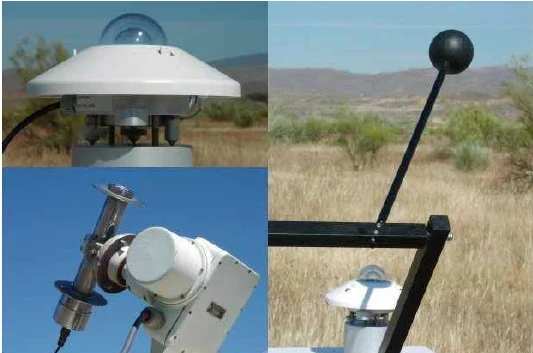
Irradiance sensors are essential in determining the actual sunlight availability at a specific location, which directly impacts the performance of solar panels. They are widely used in both residential and commercial solar installations to monitor real-time solar radiation and assess the efficiency of PV systems. By providing precise measurements, these sensors enable operators to predict energy generation, optimize panel orientation, and perform regular system diagnostics. For example, the Irradiance Sensor is designed to offer accurate solar radiation readings, making it an indispensable tool for solar energy applications.
Performance Monitoring of Solar Panels
One of the primary applications of irradiance sensors is monitoring the performance of solar panels. Solar panels’ output depends not only on their efficiency but also on the intensity of sunlight they receive. By using irradiance sensors, operators can track the actual solar energy hitting the panels and compare it with the expected output. This comparison helps identify underperforming panels or system faults caused by shading, dirt accumulation, or technical malfunctions. Regular monitoring ensures that the solar energy system operates at optimal levels, enhancing energy yield and reliability.
Solar Energy Forecasting
Accurate solar radiation data is essential for solar energy forecasting. Energy providers and grid operators rely on irradiance sensors to predict short-term and long-term power generation from solar installations. These forecasts are crucial for balancing supply and demand in the electricity grid. By integrating irradiance sensor data with weather prediction models, operators can estimate the energy production for upcoming hours or days, enabling efficient grid management and reducing reliance on backup power sources.
Optimization of Solar Panel Orientation
The orientation and tilt of solar panels significantly influence their energy output. Irradiance sensors provide real-time data on solar radiation from different angles, allowing engineers to determine the most efficient panel positioning. For solar tracking systems, which adjust panel orientation dynamically throughout the day, irradiance sensors help maximize exposure to sunlight. Optimized positioning increases energy capture and improves overall system efficiency, which is particularly beneficial for large-scale solar farms.
Research and Development
In addition to operational applications, irradiance sensors are widely used in solar energy research and development. Researchers rely on precise solar radiation measurements to evaluate new photovoltaic materials, study the effects of environmental conditions on solar energy production, and develop innovative solar technologies. These sensors provide consistent and accurate data, which is essential for validating experimental results and advancing solar energy technology.
Integration with Building Energy Management Systems
Irradiance sensors are increasingly being integrated into building energy management systems (BEMS). By providing real-time solar radiation data, these sensors enable smart buildings to optimize energy consumption. For example, in buildings with solar panels, the system can adjust energy storage, control auxiliary loads, or switch to alternative energy sources based on current irradiance levels. This integration enhances energy efficiency, reduces electricity costs, and supports sustainable building management.
Environmental Monitoring and Climate Studies
Beyond solar energy applications, irradiance sensors contribute to environmental monitoring and climate research. By measuring solar radiation accurately, scientists can study patterns of solar exposure, assess climate change impacts, and analyze the effects of atmospheric conditions on solar energy potential. These insights are valuable for policymakers, energy planners, and environmental scientists aiming to promote renewable energy adoption and develop climate resilience strategies.
Conclusion
Irradiance sensors are indispensable tools in the solar energy sector, providing accurate and real-time data that supports performance monitoring, energy forecasting, system optimization, and research. Their applications extend from enhancing the efficiency of solar panels to enabling smart energy management and environmental studies. As the demand for renewable energy continues to grow, the role of irradiance sensors will become increasingly critical, helping to ensure that solar energy systems deliver maximum output, reliability, and sustainability. Investing in high-quality sensors and integrating them into solar energy infrastructure is essential for achieving optimal performance and advancing the global transition toward clean energy.