
ABS Plastic Enclosure vs Polycarbonate: Key Differences Explained
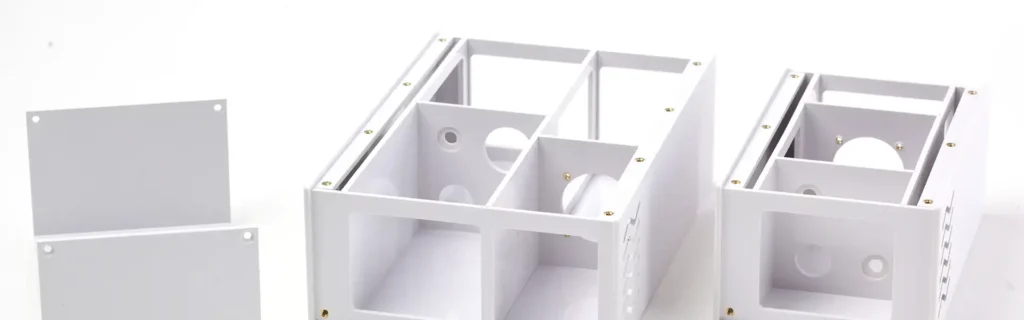
When selecting a protective housing for electronic or electrical components, material choice plays a crucial role in performance, durability, and cost. Two of the most commonly compared materials are ABS plastic and polycarbonate. Both are widely used in enclosure manufacturing, but they differ in strength, heat resistance, and application suitability.
Understanding these differences helps engineers and designers choose the right solution for their specific project needs. An abs plastic enclosure is often selected for its balanced performance, offering good impact resistance and affordability, while polycarbonate is typically chosen for applications requiring higher strength and extreme environmental resistance.
Overview of ABS Plastic Enclosures
ABS (Acrylonitrile Butadiene Styrene) is a thermoplastic material known for its toughness, lightweight structure, and ease of molding. It is commonly used in electronics housings, industrial control boxes, and consumer device enclosures.
Key characteristics of ABS include:
- Good impact resistance for general protection
- Lightweight and easy to handle
- Excellent electrical insulation properties
- Cost-effective for mass production
- Easy to machine and customize
ABS enclosures are widely used in indoor and moderately demanding environments where cost and versatility are important.
Overview of Polycarbonate Enclosures
Polycarbonate is another thermoplastic material known for its exceptional strength and transparency. It is often used in applications where higher durability and environmental resistance are required.
Key characteristics of polycarbonate include:
- Very high impact resistance, stronger than ABS
- Excellent heat resistance and thermal stability
- Better performance in outdoor and harsh environments
- Higher transparency options for visual inspection
- More expensive compared to ABS
Because of these properties, polycarbonate is commonly used in heavy-duty industrial and outdoor applications.
Strength and Durability Comparison
One of the most important differences between ABS and polycarbonate is their mechanical strength. While both materials are durable, polycarbonate offers significantly higher impact resistance.
ABS provides sufficient protection for most standard applications, especially where extreme force is not expected. However, polycarbonate is preferred in environments where equipment may face heavy impact, vandalism, or extreme physical stress.
In contrast, ABS offers a more balanced approach, delivering adequate durability at a lower cost.
Temperature and Environmental Resistance
Polycarbonate generally performs better in high-temperature and harsh environmental conditions. It maintains its structural integrity over a wider temperature range, making it suitable for outdoor and industrial use.
ABS, while still reliable, has a lower heat resistance threshold. It is best suited for indoor environments or applications with controlled temperature conditions.
Environmental comparison highlights:
- Polycarbonate: Better for extreme heat, UV exposure, and outdoor use
- ABS: Suitable for indoor and moderate environmental conditions
Cost and Manufacturing Considerations
Cost is another key factor when choosing between these materials. ABS is significantly more affordable and easier to mold, making it ideal for large-scale production.
Polycarbonate, on the other hand, is more expensive due to its superior material properties and processing requirements.
From a manufacturing perspective:
- ABS reduces production costs and simplifies machining
- Polycarbonate increases durability but raises overall project cost
This makes ABS a preferred choice for budget-sensitive projects.
Application Suitability
Both materials serve different industry needs depending on performance requirements.
Typical ABS applications:
- Consumer electronics housings
- Industrial control panels
- Indoor electronic devices
- General-purpose enclosures
Typical polycarbonate applications:
- Outdoor electrical systems
- Heavy-duty industrial equipment
- Safety-critical devices
- Transparent protective covers
The choice depends on whether cost efficiency or maximum durability is the priority.
Conclusion
ABS plastic and polycarbonate are both valuable materials in enclosure manufacturing, but they serve different purposes. ABS offers a cost-effective, lightweight, and versatile solution suitable for most indoor and general applications. Polycarbonate provides superior strength and environmental resistance for more demanding conditions.
For many standard electronic and industrial uses, an ABS-based solution remains a practical and reliable choice, especially when balancing performance and cost is essential.