
PET Production Process: How It’s Made and Used Globally
PET (Polyethylene Terephthalate) is one of the most important thermoplastics in modern manufacturing, widely used in packaging, textiles, and industrial applications. Its popularity comes from its strength, clarity, and recyclability, making it a cornerstone material in global production systems.
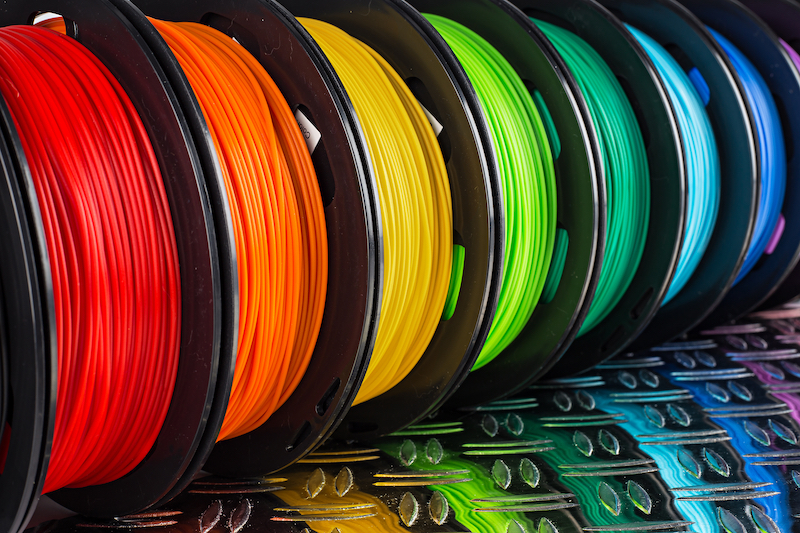
While PET is primarily known for bottles and packaging, related materials such as PET derivatives have expanded its role into more advanced manufacturing and 3D printing applications. Understanding how PET is produced helps explain why it is so widely used across industries.
What Is PET?
PET is a polyester-based thermoplastic created through a chemical reaction between purified terephthalic acid (PTA) and ethylene glycol (EG). The result is a strong, lightweight, and transparent material that can be molded into various forms.
It is valued for:
- High strength-to-weight ratio
- Excellent chemical resistance
- Good barrier properties against moisture and gases
- Recyclability and sustainability potential
These properties make PET suitable for both consumer and industrial applications.
Raw Materials Used in PET Production
The production of PET begins with two key raw materials:
1. Purified Terephthalic Acid (PTA)
PTA is an aromatic compound derived from petroleum. It provides the rigid structure needed for PET’s strength.
2. Ethylene Glycol (EG)
Ethylene glycol is a simple alcohol compound that adds flexibility and helps form polymer chains during the reaction process.
When combined, these materials undergo polymerization to form PET resin.
PET Production Process Explained
The manufacturing of PET involves several controlled chemical and physical steps.
Step 1: Esterification or Transesterification
The process begins by reacting PTA with ethylene glycol (or DMT in older processes). This forms monomers and releases water or methanol as a byproduct.
Step 2: Polymerization
The monomers undergo polymerization at high temperatures and low pressure. This step forms long polymer chains, giving PET its strength and stability.
Step 3: Melt Processing
The molten PET is then cooled and cut into small pellets. These pellets are the raw form used in manufacturing bottles, fibers, and sheets.
Step 4: Solid-State Polymerization (Optional)
For applications requiring higher strength, PET pellets may undergo additional processing to increase molecular weight and improve performance.
PET Processing Into Final Products
Once produced, PET pellets are transformed into final products using different manufacturing techniques.
Injection Molding
Used for producing preforms that are later blown into bottles.
- Beverage bottles
- Food containers
- Industrial packaging
Blow Molding
Preforms are heated and inflated into bottle shapes.
- Water bottles
- Soft drink containers
- Cosmetic bottles
Fiber Spinning
Molten PET is extruded into fibers used in textiles.
- Polyester clothing
- Upholstery fabrics
- Industrial yarns
Film Extrusion
PET is processed into thin films for packaging and industrial use.
- Food packaging films
- Protective layers
- Laminated materials
Global Uses of PET
PET is used worldwide due to its versatility and cost-effectiveness. It plays a key role in multiple industries.
Packaging Industry
PET is the dominant material for packaging applications.
- Beverage bottles
- Food containers
- Blister packaging
- Retail packaging
Its transparency and strength make it ideal for consumer goods.
Textile Industry
A large portion of PET production is used in textiles.
- Polyester fabrics
- Sportswear
- Home furnishings
- Industrial textiles
Its durability and resistance to shrinking make it highly practical.
Industrial Applications
PET is also used in engineering and manufacturing sectors.
- Electrical insulation materials
- Mechanical components
- Industrial films and sheets
Its stability and resistance to wear make it suitable for technical applications.
Environmental Considerations and Recycling
One of PET’s most important features is its recyclability. It is one of the most widely recycled plastics globally.
Recycling Process
- Collection and sorting
- Cleaning and shredding
- Melting and pelletizing
- Reuse in new products
Recycled PET (rPET) is used in bottles, textiles, and packaging materials, reducing environmental impact.
PET vs Modified Materials
While PET is widely used, modified versions improve performance in certain applications. These enhancements can increase flexibility, reduce brittleness, and improve processing efficiency in advanced manufacturing.
Such improvements have expanded PET’s use beyond traditional packaging into areas like 3D printing and engineering materials.
Conclusion
The PET production process involves carefully controlled chemical reactions that transform basic raw materials into one of the most widely used plastics in the world. From packaging and textiles to industrial applications, PET plays a vital role in global manufacturing.
Its strength, versatility, and recyclability ensure that PET remains an essential material in modern industries, supporting both economic efficiency and sustainable production practices.