
Advantages of Implementing a Full POS System in Retail Operations
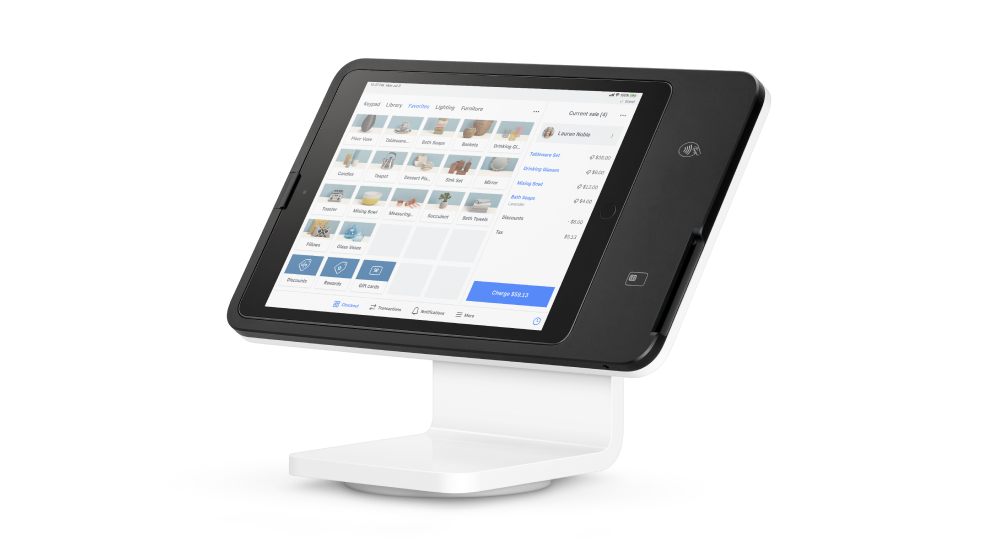
Retail businesses operate in a highly competitive environment where efficiency, customer satisfaction, and accurate data management are essential for success. Technology plays a significant role in improving operational workflows and supporting business growth. Among modern retail technologies, point of sale systems have become a core component of daily business operations. Implementing advanced POS technology helps retailers streamline processes, reduce operational errors, and enhance customer experience.
Traditional retail checkout methods are often slow and prone to human error. Manual billing, inventory tracking, and financial record management require significant time and labor. A modern retail environment requires automation and intelligent management systems. Using a Full POS System allows businesses to integrate sales processing, inventory control, customer data management, and reporting functions into a single platform. This integration improves workflow efficiency and supports real-time decision-making in retail operations.
Improved Transaction Speed and Operational Efficiency
One of the primary advantages of implementing a full POS solution is faster transaction processing. Customers expect quick checkout experiences, especially during peak shopping hours. Advanced POS technology reduces waiting time by automating pricing calculations and payment verification.
Employees can complete transactions using barcode scanning and digital payment processing tools. Automated checkout operations reduce human workload and allow staff members to focus more on customer assistance and product organization. Faster service delivery improves customer satisfaction and encourages repeat purchases.
Retail stores benefit from reduced operational bottlenecks when using integrated POS platforms. Instead of managing separate billing software and inventory spreadsheets, businesses can operate through a centralized system that synchronizes all data in real time.
Inventory Management and Stock Control Automation
Inventory management is one of the most critical challenges in retail business operations. Overstocking increases storage cost while understocking leads to lost sales opportunities. Full POS technology solves this problem through automated stock monitoring.
Every transaction automatically updates inventory records. Business owners can monitor product availability from centralized dashboards. Advanced POS platforms can generate low-stock alerts and recommend restocking actions before product shortages occur.
Automated inventory control also helps retailers manage seasonal demand variations. Historical sales data can be analyzed to predict future product requirements. This predictive capability allows businesses to maintain optimal stock levels throughout the year.
Enhanced Customer Relationship Management
Customer satisfaction plays a major role in retail success. Modern POS systems include customer relationship management tools that help businesses track customer preferences and purchase history.
Retailers can create loyalty programs that reward repeat customers. POS platforms can automatically calculate reward points and apply discounts during checkout. Personalized promotions based on customer behavior increase marketing effectiveness.
Customer data analytics also help businesses understand market trends. Retail owners can identify popular products, peak shopping hours, and customer demographic patterns.
Secure Payment Processing and Fraud Prevention
Security is a major concern in retail financial transactions. Full POS systems support secure payment gateways that protect customer financial information. Encryption technology ensures that payment data remains confidential during processing.
Multi-payment support is another advantage of advanced POS systems. Customers can choose from credit cards, debit cards, mobile wallets, or contactless payment methods. Secure authentication protocols help prevent unauthorized transactions and reduce fraud risks.
Compliance with international payment security standards improves customer trust and protects business reputation.
Reporting and Business Performance Analytics
Data-driven decision-making is essential for modern retail management. POS systems provide detailed sales reports, employee performance metrics, and inventory movement analysis.
Business owners can monitor daily sales performance and identify high-performing products. Analytical dashboards simplify complex data visualization and support strategic planning. Marketing campaigns can be designed using real sales behavior data.
Financial reporting features help retailers manage revenue tracking, expense control, and profit analysis. Automated report generation saves time and reduces manual accounting errors.
Multi-Location Retail Management
Retail businesses operating multiple branches require centralized control systems. Full POS technology supports multi-location management by synchronizing data across all stores.
Cloud-based POS platforms allow business owners to monitor operations remotely. Managers can access sales statistics, inventory status, and employee performance metrics from any location.
This feature is especially useful for franchise businesses and large retail chains. Centralized management improves operational consistency and reduces administrative workload.
Employee Management and Productivity Tracking
Employee performance has a direct impact on customer service quality. POS systems provide tools for monitoring staff activity, working hours, and transaction accuracy.
Role-based access control ensures that employees can only access authorized system functions. This improves security and prevents data misuse.
Performance monitoring tools help business owners identify training requirements and reward efficient employees.
Conclusion
Implementing a Full POS System in retail operations provides significant operational advantages. Automation, security, customer management, and analytical reporting features contribute to improved business performance.
Modern retail businesses must adopt advanced technology to remain competitive in dynamic markets. POS integration supports faster transactions, better inventory control, and enhanced customer service.
As retail technology continues to evolve, full-featured POS solutions will play an essential role in business growth and digital transformation. Retailers investing in advanced POS platforms can achieve higher efficiency, stronger customer relationships, and long-term operational success.