
Cleaning and Maintenance Practices for ISO 8 Cleanrooms
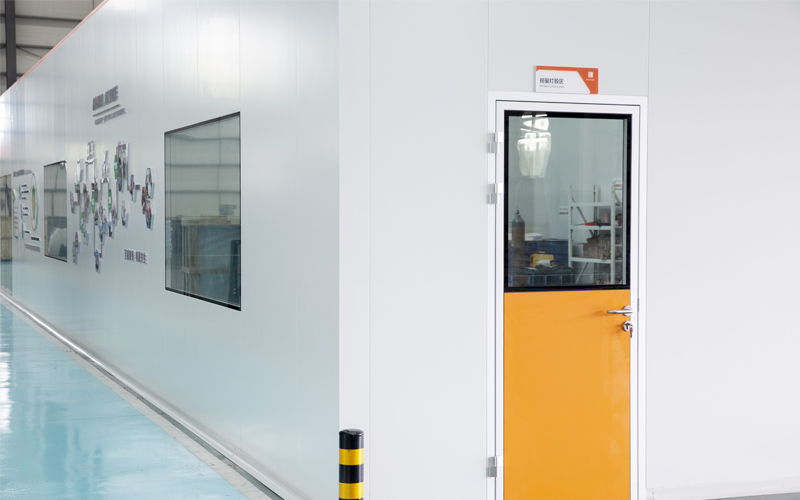
ISO 8 cleanrooms are controlled environments designed to maintain moderate levels of airborne particles and microbial contamination. These cleanrooms are widely used across industries such as pharmaceuticals, medical devices, electronics, food processing, and cosmetics, where product quality and safety depend on a controlled environment. Effective cleaning and maintenance practices are essential to ensure that the cleanroom continues to operate within its designated ISO classification and supports operational efficiency.
Maintaining an ISO 8 Cleanroom requires a comprehensive approach that includes validated cleaning protocols, scheduled maintenance, personnel training, and ongoing monitoring. Unlike higher-class cleanrooms, ISO 8 environments allow for a higher particle count, but proper practices are still necessary to prevent contamination of products, equipment, and critical surfaces. A systematic cleaning and maintenance program ensures that the cleanroom remains compliant with ISO 14644 standards and regulatory requirements.
Cleaning Protocols and Procedures
ISO 8 cleanroom cleaning protocols are designed to remove particulate and microbial contamination from surfaces, equipment, and floors. Cleaning typically involves a two-step process: initial removal of visible dust and debris, followed by disinfection with approved cleaning agents. Surfaces such as walls, ceilings, floors, and workstations should be non-porous and compatible with disinfectants to prevent microbial growth and particle accumulation.
Routine cleaning in ISO 8 cleanrooms should follow a structured schedule, often including daily, weekly, and monthly tasks. High-touch areas, such as benches, door handles, and equipment controls, require more frequent cleaning. Floors are generally cleaned using damp mops and approved disinfectants to minimize particle dispersion, while walls and ceilings are wiped or vacuumed using HEPA-filtered equipment. Cleaning protocols must be documented to demonstrate compliance during audits and inspections.
Equipment Cleaning and Handling
All equipment within an ISO 8 cleanroom must be regularly cleaned and maintained. Instruments, carts, storage units, and production machinery are potential sources of contamination if not properly sanitized. Cleaning should be conducted using non-shedding wipes and appropriate disinfectants, following a validated procedure to ensure consistent effectiveness.
Portable equipment entering the cleanroom must be cleaned and, if necessary, sterilized before use. Equipment should be positioned to allow easy access for cleaning and maintenance without obstructing airflow. Maintenance activities should be planned carefully to prevent contamination and minimize disruption to ongoing operations.
Personnel Hygiene and Gowning
Personnel are a significant source of particles in ISO 8 cleanrooms, making gowning and hygiene protocols critical. Employees must wear appropriate cleanroom garments, including coveralls, gloves, masks, hair covers, and shoe covers. Proper gowning techniques prevent the introduction of particles and microorganisms into the controlled environment.
Training is essential to ensure that personnel understand cleaning procedures, gowning protocols, and safe movement within the cleanroom. Improper handling of equipment or surfaces can negate cleaning efforts and compromise the environment. Continuous reinforcement and supervision help maintain compliance and reduce contamination risks.
HVAC System Maintenance
The HVAC system plays a critical role in controlling air quality, temperature, humidity, and pressure in ISO 8 cleanrooms. Regular maintenance of the system is essential to ensure consistent performance. This includes inspecting and replacing HEPA filters, cleaning air ducts, checking fan operation, and verifying airflow patterns. Maintaining the HVAC system prevents the introduction of dust and particles and supports the air change requirements necessary for ISO 8 compliance.
Monitoring airflow, pressure differentials, temperature, and humidity provides real-time data to identify deviations. Any anomalies must be addressed promptly to maintain cleanroom integrity and prevent contamination events.
Cleaning Materials and Tools
The choice of cleaning materials and tools significantly impacts the effectiveness of cleanroom cleaning. Non-shedding, lint-free wipes, mops, and brushes should be used to prevent particle generation. Disinfectants must be validated for effectiveness against potential microbial contamination and compatibility with surfaces and equipment. Proper storage of cleaning supplies helps maintain their efficacy and prevents cross-contamination.
Dedicated cleaning tools for different areas of the cleanroom reduce the risk of transferring contaminants between zones. Color-coded or labeled equipment is often used to identify specific cleaning purposes and maintain protocol adherence.
Documentation and Validation
Documenting all cleaning and maintenance activities is critical for regulatory compliance and quality assurance. Logs should include the date, time, personnel involved, areas cleaned, disinfectants used, and any corrective actions taken. Regular audits of these records ensure adherence to protocols and help identify opportunities for improvement.
Periodic validation of cleaning methods, including swab sampling or settle plate testing, confirms that procedures are effective in maintaining ISO 8 standards. Monitoring results inform adjustments to protocols and ensure the cleanroom remains within acceptable particle and microbial limits.
Conclusion
Effective cleaning and maintenance practices are essential for sustaining the performance of ISO 8 cleanrooms. Structured cleaning protocols, proper equipment handling, personnel hygiene, HVAC maintenance, appropriate tools, and thorough documentation work together to minimize contamination risks and maintain regulatory compliance. By implementing these practices, organizations can ensure that ISO 8 cleanrooms provide a controlled environment that supports product quality, operational efficiency, and safety across multiple industries.