
Materials Commonly Used in Luxury Jewelry Display Cases
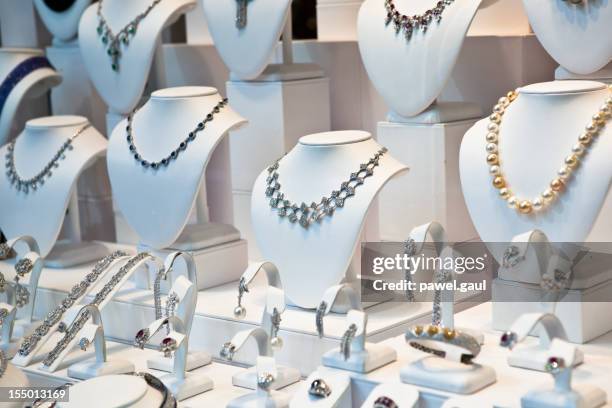
Jewelry Store.
Luxury jewelry display cases are an essential element of high-end retail, as they not only protect valuable pieces but also enhance their visual appeal and create an elevated shopping experience. The materials used in these cases play a critical role in achieving both aesthetics and functionality. Selecting the right materials ensures durability, security, and elegance while complementing the store’s brand identity. Understanding the materials commonly used in luxury jewelry display cases can help retailers make informed decisions that benefit both product presentation and customer experience.
High-quality Luxury Jewelry Display Cases are often crafted from a combination of premium materials, each chosen for its unique properties. Manufacturers carefully select glass, metals, wood, acrylic, and other specialty components to create displays that are both visually striking and secure. These materials not only highlight the beauty of the jewelry but also contribute to the overall ambiance of a store, projecting sophistication and professionalism.
Glass: Clarity and Visibility
Glass is the most essential material in luxury jewelry display cases, as it provides transparency and unobstructed visibility of the jewelry. Tempered or laminated glass is commonly used due to its strength and resistance to breakage. It allows customers to view jewelry from multiple angles while protecting items from dust, handling, and potential theft. Anti-reflective coatings are often applied to enhance clarity and reduce glare, ensuring that gemstones and precious metals appear in their best light. Curved glass panels are also used in some premium cases to create a sense of depth and elegance in the display.
Metals: Structure and Elegance
Metals provide structural integrity and a polished aesthetic to luxury display cases. Stainless steel, aluminum, and brass are common choices for frames, trims, and support structures. Stainless steel offers durability and a sleek, modern look, while brass adds warmth and a touch of sophistication. Metal finishes can be customized with plating or powder coating to match the store’s interior design, creating a cohesive and refined environment. These materials are not only strong and long-lasting but also contribute to the overall sense of luxury that customers expect in high-end jewelry stores.
Wood: Warmth and Customization
Wood is a popular material in luxury display cases for its aesthetic versatility and ability to convey elegance. High-quality woods such as mahogany, oak, or walnut are often used for base cabinets, paneling, and decorative elements. Wood can be stained, lacquered, or polished to complement the store’s design scheme and create a warm, inviting atmosphere. Additionally, wood allows for intricate detailing and customization, enabling retailers to incorporate brand motifs, inlays, or engraved accents into their displays. Its natural texture and richness help balance the sleekness of glass and metal components.
Acrylic: Lightweight and Modern
Acrylic is frequently used in contemporary luxury jewelry display cases due to its lightweight properties and visual clarity. It provides an alternative to glass for protective panels, risers, and display platforms while allowing for unique shapes and designs. Acrylic can be molded into curved or angular forms that enhance the presentation of jewelry and add a modern flair to the store layout. It is also highly durable and resistant to impact, making it a practical choice for stores with high customer interaction.
Specialty Linings: Protecting Jewelry
In addition to structural materials, luxury jewelry display cases often include specialty linings and inserts to protect and highlight the products. Velvet, suede, or microfiber linings are commonly used on trays, risers, and compartments to prevent scratches and add visual contrast that emphasizes the jewelry’s brilliance. These materials are available in a variety of colors, allowing retailers to create displays that complement the jewelry and store aesthetics. Foam inserts with cutouts are also used to secure rings, bracelets, and watches in place, ensuring both safety and elegant presentation.
Lighting Components: Enhancing Visual Impact
While not a structural material, integrated lighting plays a vital role in luxury display cases. High-quality LED lighting is most commonly used, providing bright, energy-efficient illumination without generating excessive heat. Lighting components are often incorporated into the frame or base of the case and positioned to accentuate the sparkle of gemstones and the shine of metals. Adjustable lighting allows retailers to highlight specific products or collections, creating focal points and guiding customer attention.
Combination of Materials
The most effective luxury jewelry display cases often combine multiple materials to achieve balance, durability, and visual appeal. For example, a case might feature tempered glass panels for visibility, a stainless steel frame for structure, mahogany base cabinets for warmth, and velvet-lined inserts for jewelry protection. By thoughtfully integrating these materials, retailers can create display cases that are functional, secure, and aesthetically aligned with their brand.
Conclusion
The materials used in luxury jewelry display cases are essential in determining both their functionality and visual impact. Glass provides clarity, metals offer strength and elegance, wood adds warmth and customization options, acrylic allows for modern design versatility, and specialty linings protect the jewelry while enhancing its appeal. Combined with integrated lighting, these materials work together to create displays that elevate the shopping experience, reflect the brand’s identity, and showcase jewelry at its finest. For retailers, understanding the importance of materials in luxury display cases ensures that their investment supports both product presentation and long-term store aesthetics.