
What Is an M8 Connector? Features and Applications Explained
Industrial automation and electronic systems rely heavily on secure, compact, and reliable connectivity solutions. Among the many circular connectors used in modern technology, the M8 connector stands out for its small size and dependable performance in demanding environments. These connectors are commonly found in sensors, actuators, and control systems where space is limited but performance cannot be compromised. Understanding how these connectors work and where they are used can help engineers and technicians choose the right solution for their applications.
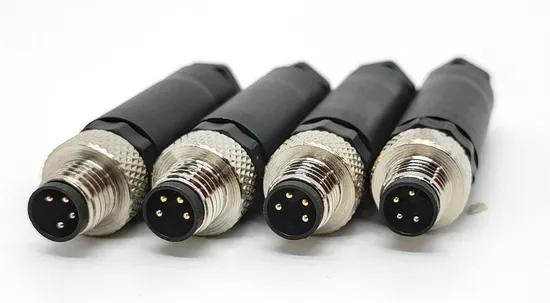
An M8 Connector is a circular electrical connector with an 8-millimeter locking thread, designed to ensure secure connections in compact installations. It is widely used in automation, robotics, and industrial electronics due to its ability to provide stable signal and power transmission in harsh conditions. You can explore detailed specifications and product variations of the M8 Connector to understand how different designs support various industrial requirements while maintaining reliability and durability.
Understanding the M8 Connector Design
The defining feature of an M8 connector is its metric thread size of 8 mm, which allows it to fit into tight spaces where larger connectors are impractical. These connectors typically come in circular housings made from metal or high-grade plastic, offering excellent resistance to vibration and mechanical stress. They are designed for quick and secure mating, often using a screw-locking mechanism that prevents accidental disconnection.
M8 connectors are available in several pin configurations, commonly ranging from 2 to 8 pins. Each configuration is suited for specific signal or power transmission needs. The standardized design ensures compatibility across different manufacturers, making integration into existing systems easier and more cost-effective.
Key Features of M8 Connectors
One of the most notable features of M8 connectors is their compact size combined with robust performance. Despite their small form factor, they can handle reliable data and power transmission for low-voltage applications. Many models are rated with IP67 or higher protection levels, meaning they are resistant to dust and water ingress.
Another important feature is durability. M8 connectors are often designed to withstand extreme temperatures, vibration, and exposure to chemicals or oils. This makes them ideal for industrial environments where conditions are far from ideal. Additionally, their standardized pin layouts simplify maintenance and replacement, reducing system downtime.
Types of M8 Connectors
M8 connectors are available in different coding types, such as A-coded, B-coded, and D-coded versions. Each coding type is designed to prevent mismatching and ensure correct connections for specific applications. For example, A-coded connectors are commonly used for sensors and DC power, while D-coded versions are better suited for Ethernet and data transmission.
They are also offered in straight or right-angle configurations, providing flexibility in cable routing and installation. This variety allows engineers to select the most suitable option based on space constraints and functional requirements.
Applications of M8 Connectors
M8 connectors are widely used in industrial automation systems, particularly for connecting sensors, proximity switches, and actuators. Their compact size makes them ideal for densely packed machinery and control panels. In robotics, they help maintain reliable communication between moving components and control units.
Beyond industrial automation, M8 connectors are also found in medical equipment, transportation systems, and test and measurement devices. In these applications, their secure locking mechanism and resistance to environmental factors ensure consistent performance and safety.
Advantages Over Larger Connectors
Compared to larger connectors such as M12 types, M8 connectors offer significant space-saving advantages. They reduce overall system size and weight, which is particularly beneficial in compact machinery or portable devices. Their ease of installation and maintenance further enhances their appeal in cost-sensitive projects.
Additionally, M8 connectors provide sufficient performance for many low-power and signal-based applications, making them a practical choice without overengineering the solution.
Conclusion
M8 connectors play a crucial role in modern electronic and industrial systems by offering compact, reliable, and versatile connectivity. Their robust design, variety of configurations, and suitability for harsh environments make them an essential component in automation, robotics, and beyond. By understanding their features and applications, professionals can make informed decisions that improve system efficiency, reliability, and long-term performance.